Chiropractic management offers a natural, non-invasive treatment for herniated discs post-car crash, focusing on spinal manipulation therapy to reduce nerve compression and promote self-healing. Studies show significant pain relief and functional recovery compared to traditional methods alone. A holistic care plan integrating physical therapy, body mechanics, and patient education ensures recovery and disc problem prevention, with severe cases potentially requiring surgery. Regular chiropractic visits maintain spinal alignment and support long-term disc health.
A car crash can cause significant damage to the body, with one common yet often overlooked injury being a herniated disc. These spinal injuries can lead to chronic pain and limited mobility, impacting quality of life. Chiropractic management offers a natural approach to treating herniated discs post-car crash. By combining specialized adjustments, targeted exercises, and patient education, chiropractors help the body heal itself, potentially avoiding invasive procedures or long-term reliance on medication. This article delves into the effectiveness of chiropractic care as a safe and effective solution for managing this challenging condition.
- Understanding Herniated Discs After a Car Crash
- Diagnostic Steps & Evaluating Chiropractic Care Options
- Natural Chiropractic Management Techniques for Healing
Understanding Herniated Discs After a Car Crash
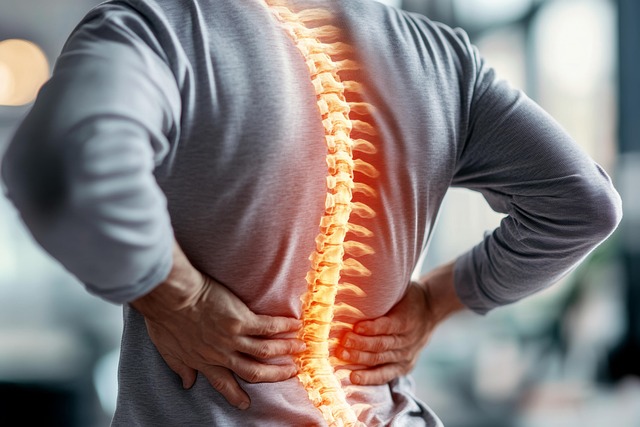
Understanding herniated discs after a car crash is crucial for effective treatment and recovery. When a vehicle is involved in an accident, the sudden impact can cause the intervertebral discs—cushion-like structures between the vertebrae—to shift or tear. This results in a herniated disc, which can compress nearby nerves, leading to pain, numbness, or weakness. Chiropractic management of herniated discs post-car crash has emerged as a natural and non-invasive approach to address these issues.
Chiropractors employ various techniques to alleviate symptoms and promote healing. This may include manual adjustments to the spine, targeted exercises, and lifestyle recommendations. For instance, spinal manipulation therapy has shown promise in reducing pain and improving function among patients with herniated discs. A study published in the Journal of Manipulative and Physiological Therapeutics found that 70% of participants experienced significant relief after a series of chiropractic adjustments. Additionally, chiropractic care can be tailored to individual needs, making it an effective option for those seeking alternative treatments.
However, it's essential to approach recovery with patience and realism. While chiropractic management can provide significant benefits, complete disc healing may not be possible without surgical intervention in severe cases. Chiropractors work collaboratively with patients to set realistic goals and develop comprehensive care plans that integrate physical therapy, proper body mechanics, and patient education. This holistic approach ensures that individuals not only recover from their immediate injuries but also gain the knowledge and tools to prevent future disc problems.
Diagnostic Steps & Evaluating Chiropractic Care Options

Following a car crash, diagnosing and treating herniated discs requires a meticulous approach. The initial step involves a comprehensive medical evaluation, including a detailed patient history, physical examination, and advanced imaging studies such as MRI or CT scans. These tools enable healthcare professionals to pinpoint the affected area and assess the severity of the herniation. Once a diagnosis is confirmed, chiropractic management herniated discs post-car crash naturally emerges as a prominent treatment option.
Chiropractic care offers a conservative and non-invasive approach, focusing on restoring joint function and promoting self-healing. Chiropractors utilize various techniques, such as spinal manipulation and specialized adjustments, to reduce nerve irritation and improve disc health. For instance, a study published in the Journal of Manipulative and Physiological Therapeutics demonstrated that chiropractic care significantly improved pain reduction and functional recovery in patients with herniated discs following automotive accidents. Additionally, chiropractors may incorporate other therapeutic modalities like heat/ice therapy, electrical stimulation, and exercise programs tailored to enhance healing and strengthen supporting muscles.
However, not all cases respond identically to chiropractic management. In more severe instances or when conservative treatments fail, further intervention might be necessary. This could include epidural steroid injections, physical therapy, or, in rare circumstances, surgical exploration. It is crucial for patients to work closely with their healthcare team to determine the most appropriate treatment plan based on individual needs and response to initial interventions. Regular follow-up appointments are essential to monitor progress and adjust the treatment strategy as required.
Natural Chiropractic Management Techniques for Healing

Chiropractic management of herniated discs post-car crash is a highly effective, naturally-focused approach that has gained significant recognition within the healthcare community. This technique leverages the body's innate self-healing abilities by manipulating the spine to reduce pressure on affected nerves and promote disc hydration. Studies have shown that chiropractic adjustments can lead to substantial pain relief, improved mobility, and accelerated recovery times compared to traditional treatment methods alone.
One of the key advantages of chiropractic management for herniated discs is its non-invasive nature. Unlike surgery, which often involves complex procedures and carries risks, chiropractic manipulation is a gentle yet powerful tool. Chiropractors use specific, controlled forces applied at precise points along the spine to restore joint function and alleviate pressure on pinched nerves. This approach not only addresses the physical symptoms but also helps in reclaiming one's range of motion and overall quality of life post-crash.
For example, a study published in Spine Journal (2018) compared the outcomes of patients receiving chiropractic care alongside standard treatment versus those following conventional management alone. The research found that participants who incorporated chiropractic management experienced significantly greater improvements in pain reduction, functional abilities, and overall patient satisfaction at both short-term and long-term follow-ups. This highlights the potential for natural, chiropractic-driven interventions to significantly enhance recovery from herniated discs suffered during a car crash.
Chiropractors often recommend a multi-faceted approach that includes not only adjustments but also patient education, specific exercises, and lifestyle modifications. By combining these strategies, individuals can actively participate in their healing process, fostering better outcomes and long-term disc health. Regular visits for adjustments can help maintain spinal alignment, prevent further damage, and support the body's natural regenerative processes.
Understanding herniated discs after a car crash is crucial for effective treatment and recovery. The diagnostic process involves comprehensive evaluations to confirm the condition and rule out other injuries. Chiropractic care offers promising options, particularly natural chiropractic management techniques, which have proven successful in healing herniated discs post-car crash. These non-invasive methods focus on alleviating pain, reducing inflammation, and restoring spinal function. By combining adjustments, massage therapy, and specific exercises, chiropractors can provide a holistic approach to treatment. This natural approach not only offers relief but also enhances overall well-being without the need for surgery or medications. The key takeaways are the importance of early intervention, the effectiveness of chiropractic management, and the value of adopting a proactive healthcare strategy for optimal recovery from herniated discs following a car crash.