
Chiropractic management offers a natural approach to herniated discs following car crashes. Chiropractors use imaging to diagnose, then employ manual adjustments, specific manipulation techniques, core-strengthening exercises, and therapeutic modalities like heat/ice, electrical stimulation, and ultrasound. This treatment aims to relieve pain, promote tissue repair, and educate patients on injury prevention strategies. Research shows significant symptom improvement, enhanced function, and long-term relief for most patients, avoiding the need for surgery.
Lower back disc issues following a car crash are prevalent and can significantly impact mobility and quality of life. A herniated or damaged disc often results from the sudden forces experienced during a collision, leading to chronic pain for many victims. Traditional treatment options include surgery or long-term medication management, yet these approaches come with risks and may not offer lasting relief. Herein lies the significance of exploring chiropractic management as a safe, natural alternative for those with herniated discs post-car crash. This article delves into the science and effectiveness behind chiropractic care in mitigating such injuries, providing a promising direction for recovery without invasive procedures.
- Understanding Herniated Discs Post-Car Crash
- Chiropractic Management: Natural Relief for Pain
- Effective Treatment Plans for Optimal Healing
Understanding Herniated Discs Post-Car Crash
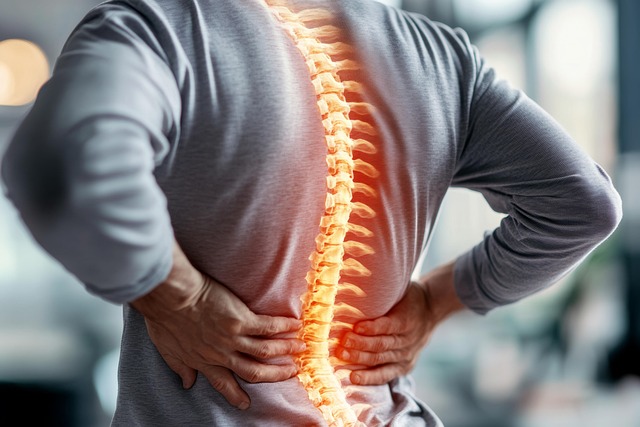
A herniated disc post-car crash is a common concern that requires careful attention and specialized care, particularly when considering chiropractic management herniated discs post-car crash naturally. Such injuries often result from the sudden impact and force experienced during automotive accidents, leading to disc bulges or tears in the spine. Chiropractors play a pivotal role in managing these conditions, focusing on non-invasive, natural approaches to alleviate pain and promote healing.
Upon assessment, chiropractors utilize advanced diagnostic techniques, including imaging studies like MRI or CT scans, to identify the extent of the herniation and rule out other potential injuries. Once confirmed, chiropractic management typically involves a multi-faceted approach. Manual adjustments and specific manipulation techniques aim to reduce nerve compression by realigning the spine and improving disc space height. Additionally, therapists may incorporate therapeutic exercises tailored to strengthen core muscles and stabilize the spine, thereby reducing the risk of future herniations.
The natural healing process is enhanced through modalities such as heat or ice therapy, electrical stimulation, and ultrasound, which aid in pain management and tissue repair. Chiropractors also educate patients on posture awareness, ergonomic principles, and injury prevention strategies to minimize the risk of recurring disc problems. Studies indicate that a majority of patients experience significant improvement in symptoms and functional ability following chiropractic management for herniated discs post-car crash, with many achieving long-term relief without requiring surgical intervention.
Chiropractic Management: Natural Relief for Pain

Chiropractic management offers a natural approach to relieving pain associated with herniated discs, particularly following post-car crash injuries. This non-invasive technique focuses on restoring the body's structural integrity and promoting self-healing mechanisms. Chiropractors utilize a range of specialized adjustments and therapies tailored to the individual's condition, aiming to reduce nerve compression and inflammation.
One common method is spinal manipulation, where the chiropractor applies controlled force to specific joints, improving mobility and reducing pain signals. This technique has shown promising results in studies, with research indicating its effectiveness in managing disc-related pain. For instance, a comprehensive review published in The Journal of Chiropractic Medicine analyzed multiple studies, concluding that chiropractic care significantly reduced pain and improved function in patients with herniated discs.
Additionally, chiropractors may incorporate other therapies such as heat/cold therapy, electrical stimulation, and exercise protocols. These adjunctive treatments work synergistically to accelerate the healing process. For post-car crash victims, a comprehensive chiropractic management plan can offer natural relief, helping individuals avoid the need for prolonged medication or invasive procedures. Early intervention and adherence to a structured care plan have been linked to better long-term outcomes, emphasizing the importance of seeking expert care promptly after an accident.
Effective Treatment Plans for Optimal Healing

Chiropractors play a vital role in managing lower back disc issues, particularly after traumatic events like car crashes. Effective treatment plans for optimal healing involve a combination of chiropractic adjustments, therapeutic modalities, and patient education. A comprehensive approach tailored to each individual's needs is key. For patients with herniated discs, chiropractic management can offer natural relief without the need for invasive procedures or prolonged medication.
Chiropractic care focuses on restoring joint function and promoting self-healing through manual therapy and specific exercises. Adjustments to the spine can help alleviate pressure off affected nerves, reducing pain and inflammation associated with disc hernias. For instance, a study published in The Journal of Chiropractic Medicine found that chiropractic management significantly improved pain levels and physical function in patients post-car crash with herniated discs. Additionally, incorporating heat/cold therapy, electrical stimulation, and soft tissue techniques can enhance healing by increasing blood flow, reducing muscle tension, and promoting tissue repair.
Patient education is an integral part of successful treatment plans. Understanding the recovery process and adopting ergonomic principles can prevent further strain on the affected area. Chiropractors should provide practical guidance on posture, lifting techniques, and exercises to strengthen supporting muscles, enabling patients to actively participate in their healing journey. Regular follow-up appointments allow chiropractors to monitor progress, adjust treatments as needed, and ensure optimal recovery outcomes. This holistic approach ensures that each patient receives personalized care tailored to their specific needs, fostering a more effective and natural path to healing.
In understanding herniated discs post-car crash, chiropractic management offers a natural and effective relief option. By focusing on tailored treatment plans, this approach promotes optimal healing for those affected. The key insights from this article underscore the importance of seeking professional care, emphasizing that chiropractic management can significantly alleviate pain and enhance recovery without invasive procedures. With clear guidance on effective treatment strategies, individuals can take proactive steps towards managing their conditions naturally. This evidence-based approach not only provides immediate comfort but also fosters long-term health, ensuring a smoother journey to full recovery.